February 10, 2026
Air conditioning systems are essential in maintaining comfort in our homes and workplaces, especially during the sweltering summer months. Despite their importance, many misconceptions surround AC repair, leading to improper maintenance and costly repairs. Let's take a moment to debunk some of the most common myths about AC repair and provide you with accurate information. By shedding light on these myths, we aim to empower consumers with the knowledge necessary to maintain their AC systems effectively.
Myth 1: AC Units Only Need to Be Serviced When Broken
Understanding Preventive Maintenance
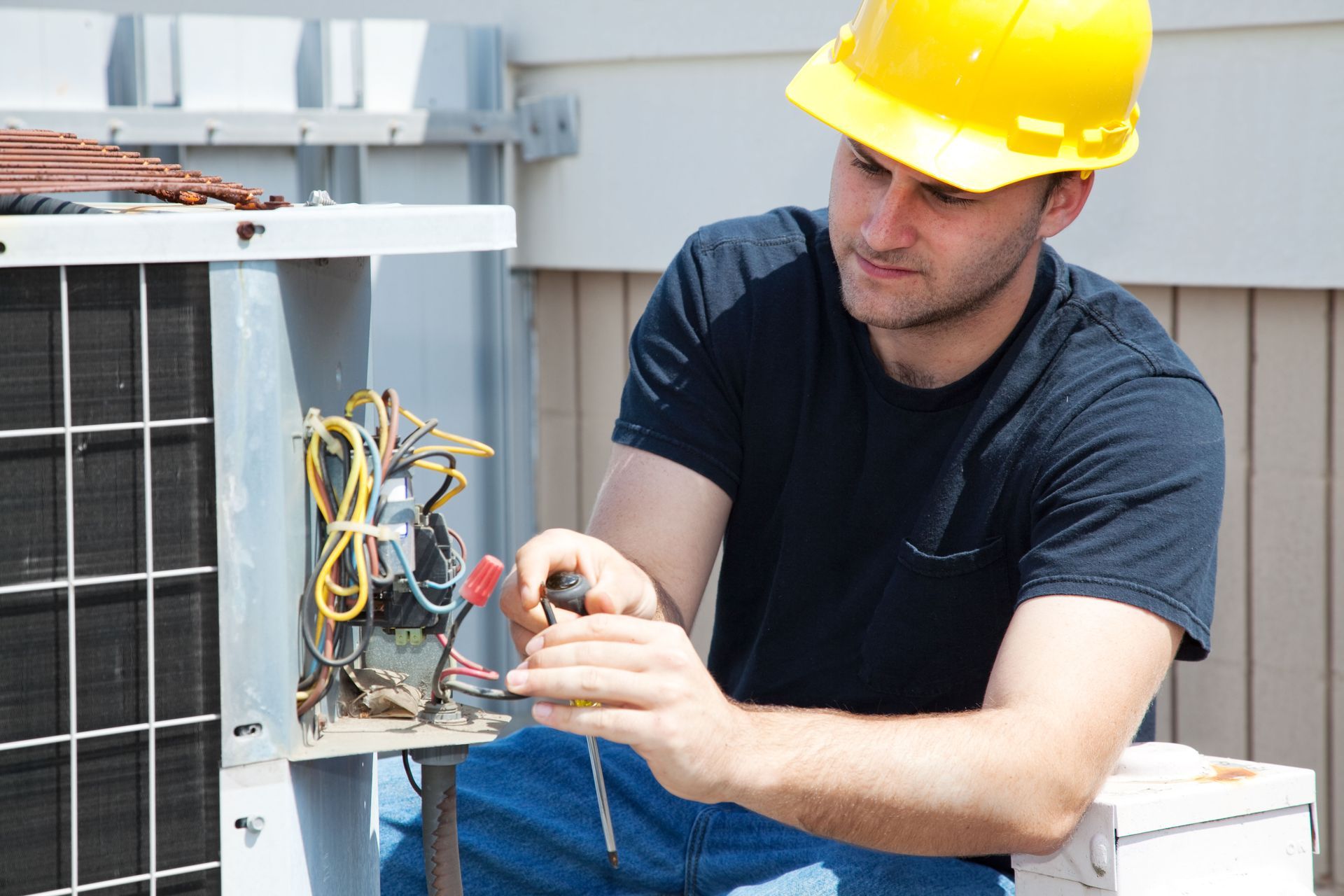
Preventive maintenance is a proactive approach to ensuring the effective operation of an AC unit before issues occur. Regular maintenance extends the life of the system by identifying potential problems early, thereby preventing more significant failures. It involves inspections, cleaning filters, checking refrigerant levels, and ensuring components function correctly. Without preventative care, minor issues can escalate into significant AC repairs or even total system failure. This approach underscores the importance of not waiting for visible issues to manifest before servicing an AC unit.
The Cost of Reactive vs. Proactive Repairs
Reactive repairs tend to be more costly than proactive maintenance due to the severity of issues by the time they are addressed. When an AC system breaks down, repairs can be complex, requiring urgent labor, special parts, and more intricate work. Proactive maintenance might seem like an extra expense upfront, but it helps prevent costly emergencies. Over time, homeowners find that regular inspections and tune-ups are less expensive than frequent emergency AC repairs. By investing in routine maintenance, homeowners safeguard against the high costs associated with unexpected system failures.
Signs Your AC Needs a Check-Up Before It Breaks
Certain signs indicate that an AC unit requires attention even if it's not completely broken yet. Unusual noises, decreased cooling efficiency, and inexplicable increases in energy bills can be early indicators of issues. If the AC cycles on and off rapidly, this might suggest thermostat problems or require recalibration. Many people mistakenly believe that AC units can cool rooms by any temperature drop, but according to This Old House, most units efficiently reduce outside temperatures by a maximum of 20 degrees inside the home. Recognizing these signs early allows for corrective actions that can prevent a full-scale breakdown.
Benefits of Regularly Scheduled Services
Regularly scheduling AC services offers numerous benefits beyond just preventing breakdowns. Consistent maintenance can enhance system efficiency, lowering energy consumption and subsequently reducing energy bills. It also helps maintain optimal indoor air quality by ensuring filters and ducts are clean and functioning. Furthermore, scheduled services increase equipment lifespan, delaying costly replacements. Homeowners gain peace of mind knowing their systems are running optimally and efficiently.
Common Misunderstandings About Maintenance Frequency
Many homeowners are unsure about how often AC units require servicing, leading to neglect or over-service. Typically, an AC unit should have at least an annual check-up before peak usage periods like summer. However, dusty environments or heavy usage may necessitate more frequent servicing. Some assume that new systems require less care; while partly true, they still benefit from maintenance to sustain efficiency. Clarifying maintenance frequency prevents overspending on unnecessary services or incurring costs from neglected systems.
Myth 2: Bigger AC Units Are Always Better
The Principles of AC Sizing
The concept of "bigger is better" doesn't apply to AC units; instead, the system must be appropriately sized for the space. Oversized units tend to cool indoor spaces too quickly, leading to short cycling. Short cycling prevents proper dehumidifying and increases wear and tear on the system. Proper AC sizing ensures appropriate cooling, humidity control, and energy efficiency. Understanding the balance between unit size and space requirement is key in selecting the right AC system.
The Impact of Oversized Units on Efficiency
Oversized AC units may initially seem appealing due to faster cooling, but they are inefficient in operation. Frequent cycling on and off consumes more energy, increasing utility bills. They also fail to adequately dehumidify the air, which can make indoor spaces feel clammy. The constant on-off cycling leads to more frequent maintenance needs, increasing ownership costs. An appropriately sized unit cools evenly and efficiently, keeping humidity levels in check and minimizing operational costs.
Long-term Costs Associated With Oversized Units
The initial investment in an oversized AC unit might seem justified, considering its perceived capacity, but it often results in long-term costs. These units incur excessive energy bills due to higher operating power and frequent cycling. The wear from frequent cycling increases maintenance costs and reduces the system's lifespan. Homeowners may also require additional dehumidifiers to compensate for insufficient humidity control. Opting for appropriately sized units is a more cost-effective and efficient choice in the long term.
Choosing the Right Size for Your Needs
Selecting the right AC size involves careful assessment of the space's dimensions and environmental factors. Professional HVAC assessments help determine the optimal BTU rating for efficient performance. Consider factors such as ceiling height, sunlight exposure, and room usage when making this decision. Consulting with AC repair professionals ensures the chosen unit meets cooling requirements without overextending capacity. An appropriately sized system ensures comfort, efficiency, and cost savings.
Myth 3: AC Refrigerant Needs to Be Refilled Regularly
How Refrigerant Works in AC Systems
Refrigerant is a vital component in AC systems, responsible for absorbing and releasing heat through phase change. It circulates in a closed loop system, thus it should never need frequent refilling. Unlike gasoline in a car, refrigerant doesn't deplete over time unless there is a leak. A properly functioning system could go years without needing additional refrigerant. Misunderstanding this aspect can lead to unnecessary expenses and improper handling, negatively impacting the environment.
Identifying Real Leak Issues
A refrigerant leak is a concern that requires prompt attention due to its impact on system performance and energy consumption. Leaks decrease cooling efficiency, resulting in inadequate temperature control and higher energy bills. Symptoms include hissing sounds, frost on coils, and decreased cooling power. Professional diagnosis is crucial to correctly identify and fix leaks, preventing further damage to the system. Regular inspections help in early detection, reducing the risks associated with refrigerant loss.
Common Symptoms of a Refrigerant Leak
Detecting symptoms of a refrigerant leak early can prevent extensive damage to the AC system. Symptoms to watch for include warmer air from vents, ice accumulation on refrigerant lines, and higher-than-normal electricity bills. The system may also run longer without reaching desired temperatures, indicating a possible refrigerant issue. Sound cues such as gurgling or hissing noises are also common indicators. Addressing these early signs with professional help can prevent further issues and enhance the system's efficiency.
The Role of Professional Inspections in Leak Detection
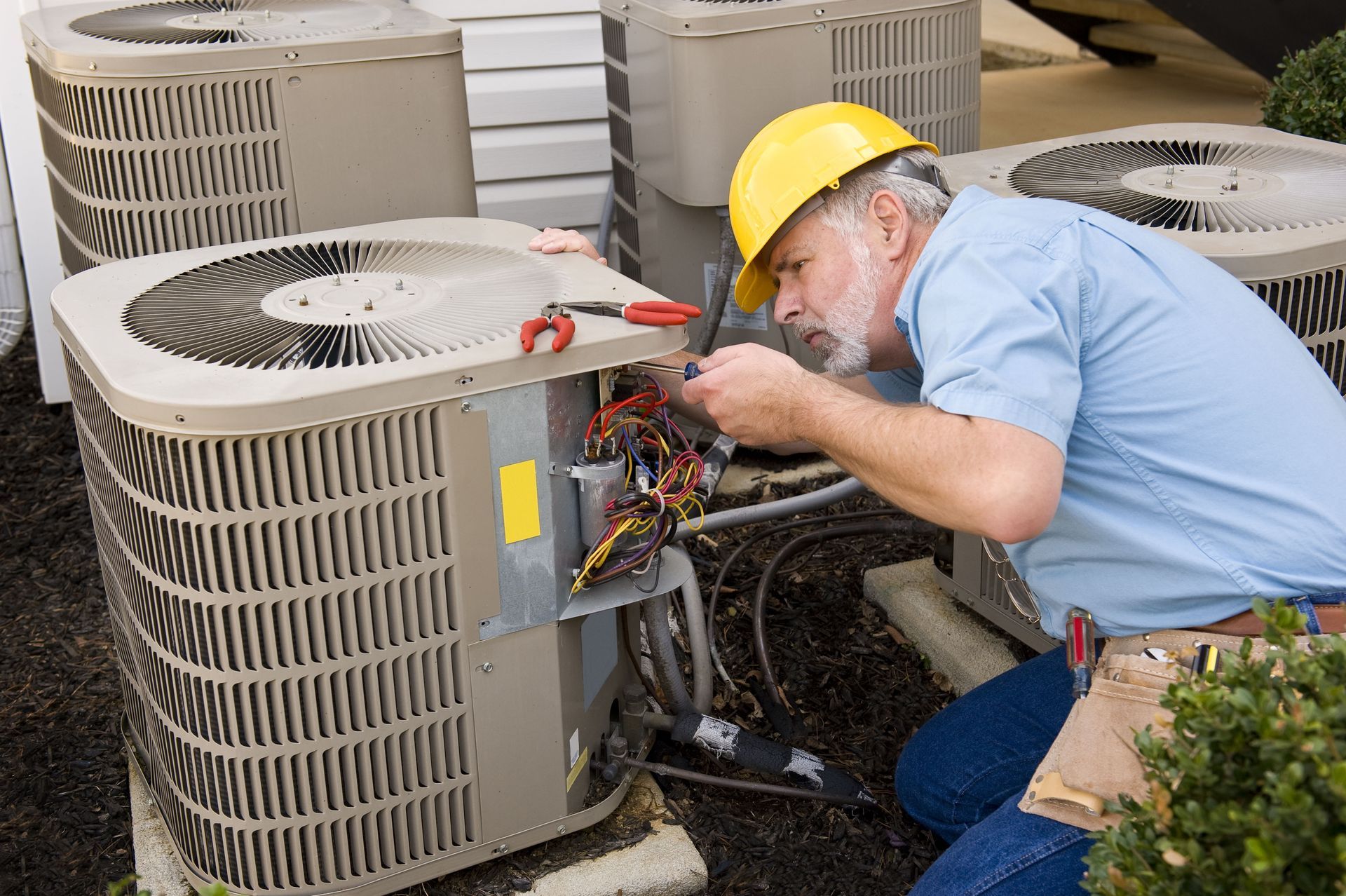
Professional inspections play a crucial role in accurately identifying and resolving refrigerant leaks. Technicians use specialized equipment to efficiently locate leaks without additional damage to the AC system. Regular check-ups help maintain efficiency, correct refrigerant levels, and prevent costly future AC repairs. Inspections ensure compliance with environmental regulations and enhance overall system safety. Entrusting refrigerant issues to qualified professionals ensures reliable and responsible management of AC systems.
Misconceptions about AC repair can lead to inadequate maintenance and unexpected costs. By understanding the realities of AC maintenance and repair, consumers can make informed decisions, ensuring their systems remain efficient and dependable. Remember, staying informed is the first step to extending the life of your AC unit and optimizing its performance. To learn more, reach out to the professionals at Comfort Techs Air Conditioning and Heating today!